






IN FOCUS
Policy Brief 127, 17 April 2024


Unlocking the Potential of Copyright Limitations and Exceptions (L&Es) Read more...
Dialogue with the G77+China Countries, 11 April 2024

A Dialogue with the G77+China Countries
Summit of the Future: risk and opportunities for developing countries Read more...
Co-Branded Event at the 2nd G-20 Health Working Group Meeting, 9 April 2024
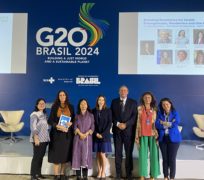
Building Resilience for Health Emergencies, Pandemics and One Health
Co-Branded Event hosted by the South Centre at the 2nd G-20 Health Working Group Meeting Read more...
SC Statement to the WHO INB9, March 2024

South Centre Statement at the 9th session of the Intergovernmental Negotiating Body to draft and negotiate a WHO convention, agreement or other international instrument on pandemic prevention, preparedness and response Read more...
SC Statement to ECOSOC Special Meeting - Net Wealth Taxes, 18 March 2024
THE ROLE OF NET WEALTH TAXES IN PROMOTING EQUALITY AND FINANCING THE SDGS Read more...
SC Statement to ECOSOC Special Meeting - Tax Cooperation at UN, 18 March 2024
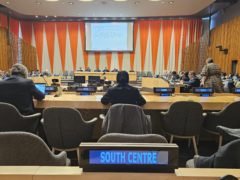 PROMOTING INCLUSIVE AND EFFECTIVE TAX COOPERATION AT THE UN Read more...